
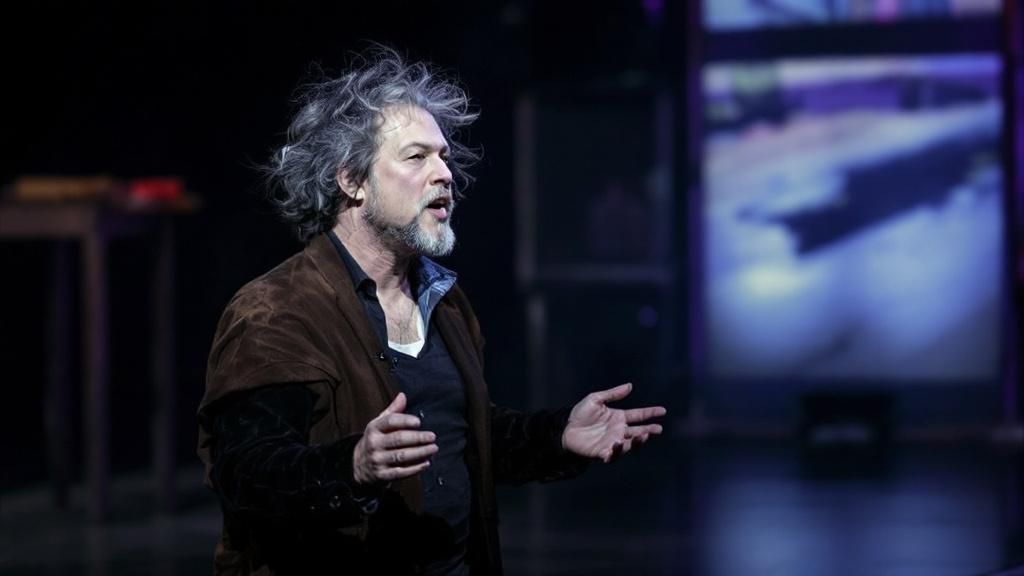
The National Theatre has introduced an extensive programme designed to democratise access to classical drama throughout the United Kingdom. This innovative initiative promises to bring internationally acclaimed stage productions to communities far beyond London’s West End, making certain that audiences in rural and underserved regions can experience Shakespeare, Chekhov, and current renderings of timeless classics. Through creative touring programmes, digital platforms, and collaborative partnerships, the theatre is significantly transforming how Britain interacts with dramatic literature, making quality theatre an entitlement rather than a privilege.
Making Theatre Accessible to Outstanding Theatre
The National Theatre’s programme marks a pivotal shift in how traditional theatre reaches audiences across the United Kingdom. By eliminating distance limitations and cost barriers, the scheme ensures that communities in remote locations and financially struggling communities can experience productions previously reserved for the capital’s prestigious theatres. This dedication to accessibility demonstrates a basic principle that dramatic quality should not be determined by location or spending power, but rather distributed equitably across all people regardless of their circumstances.
Through strategic partnerships with theatre companies across regions, educational institutions, and community arts groups, the National Theatre is establishing long-term routes for access to classical works. The programme includes productions on tour, affordable ticket initiatives, and locally-driven versions that encourage local participation and cultural stewardship. By fostering these collaborative relationships, the theatre moves away from a London-focused venue into a expanded network of artistic quality, ensuring that the life-changing influence of theatre becomes widely accessible to audiences throughout Britain.
Digital Innovation and Community Partnerships
The National Theatre’s strategy depends on cutting-edge digital technology to expand access across the nation. By leveraging streaming platforms and digital theatre experiences, the institution allows real-time access to performances for audiences unable to attend in-person. This digital framework makes culture more accessible, letting people from Cornwall to the Scottish Highlands to enjoy high-quality theatre from their local areas. The initiative also includes immersive digital content, learning resources, and backstage insights, enhancing audience engagement beyond standard theatrical performances and encouraging greater involvement with classical drama.
Equally noteworthy are the strategic partnerships forged with regional theatres, local authorities, and community organisations across the United Kingdom. These collaborations enable productions appeal to audiences from different backgrounds whilst strengthening community cultural foundations. The National Theatre provides funding, expertise, and artistic direction to collaborative venues, creating enduring cultural frameworks in communities lacking cultural investment. By collaborating with regional bodies rather than imposing London-based criteria, the initiative honours regional identities whilst preserving creative quality. This cooperative structure transforms classical drama into a truly national undertaking, embedding theatrical culture within communities and building lasting cultural legacies.
Impact and Future Vision
The initiative’s effect reaches well beyond simple attendance numbers, fundamentally transforming cultural participation nationwide. Regional theatres report record engagement figures, with patrons finding renewed appreciation for classic productions once regarded as difficult to access. Regions without theatrical infrastructure now access live performances, educational programmes, and behind-the-scenes insights. This democratisation cultivates a increasingly inclusive cultural sphere, motivating the next generation to interact with theatrical works as a vital part of their learning and social growth.
Looking ahead, the National Theatre envisions ongoing growth of this groundbreaking scheme throughout the next ten years. Planned capital allocation in digital technology promise to expand reach, facilitating simultaneous broadcasts and on-demand access to filmed shows. Working relationships with schools and universities will incorporate traditional theatre within educational programmes, fostering enduring interest for theatrical arts. The initiative represents a significant milestone, cementing the concept that remarkable dramatic performances form a basic cultural entitlement rather than an advantage restricted to the capital.
As this pioneering programme keeps developing, its success hinges on sustained funding, community engagement, and collaborative partnerships. The National Theatre remains committed to evaluating effectiveness through audience feedback, visitor numbers, and learning results, maintaining transparency and continuous improvement. This innovative scheme marks a profound shift in British society’s cultural outlook, affirming that traditional theatre is for everyone.
