
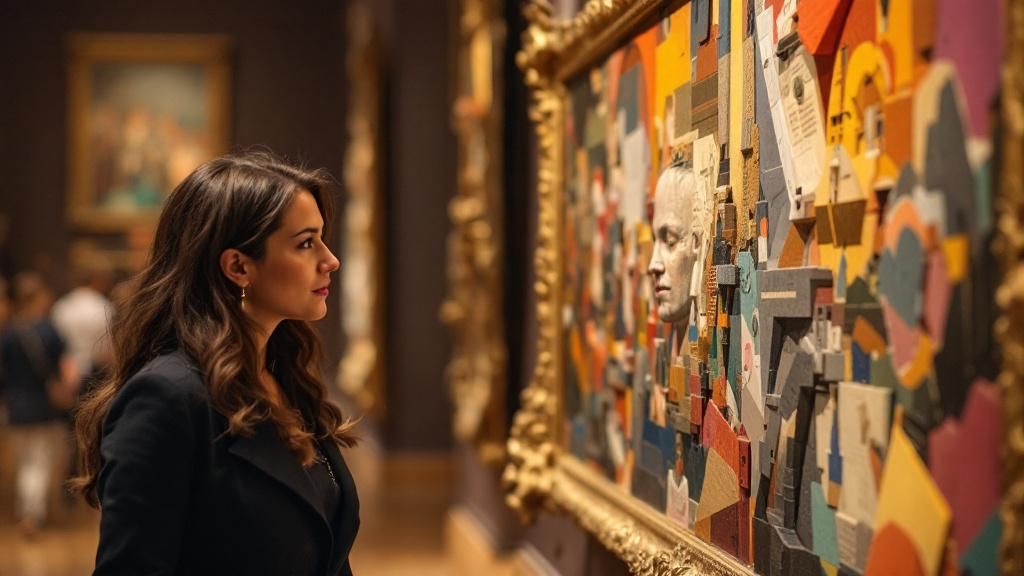
The British Museum has launched an far-reaching new programme to preserve modern art collections for coming generations. In a substantial pledge to current artistic heritage protection, the organisation has disclosed considerable investment for advanced conservation projects intended to overcome the distinctive difficulties created by modern artistic materials and methods. This calculated allocation highlights the organisation’s understanding that current creative works demand professional expertise and expertise, guaranteeing that contemporary artistic creations remain intact and accessible for decades to come.
Broadening Environmental Knowledge
The British Museum’s commitment constitutes a pivotal step in developing premier preservation expertise carefully adapted to contemporary art. By setting up specialist research facilities and recruiting principal authorities in current materials research, the institution intends to develop a comprehensive knowledge base tackling the distinctive conservation demands posed by modern artistic creations. This growth will allow conservators to employ advanced methodologies whilst preserving exacting professional guidelines, ensuring that groundbreaking artistic approaches are safeguarded with the equivalent thorough consideration historically provided to period pieces and valued collections.
Central to this project is the engagement of highly proficient conservators with expertise in emerging artistic disciplines and non-traditional materials. The museum acknowledges that contemporary artists regularly work with plastics, synthetic compounds, digital components, and mixed media that present unprecedented conservation issues. By forming a diverse team of specialists, the British Museum will become a foremost leader in modern art conservation, drawing talented professionals from across the globe and fostering collaborative relationships with other prestigious institutions committed to preserving modern cultural heritage.
Furthermore, the programme includes broad educational initiatives intended to develop the next generation of conservation professionals. Through apprenticeships, internships, and advanced educational partnerships with universities, the British Museum will guarantee that contemporary art conservation expertise stays current and progressive. This commitment to professional development ensures that future conservators have the expert understanding needed to manage emerging preservation challenges, ultimately reinforcing the organisation’s capability to preserve and care for contemporary artworks in perpetuity.
Key Programmes and Funding Allocation
The British Museum’s financial support constitutes a transformative approach to current artwork conservation, with committed funds directed towards creating cutting-edge facilities and recruiting expert personnel. This strategic investment prioritises study of advanced conservation techniques, addressing the particular issues posed by contemporary substances including digital media, man-made polymers, and combined-media pieces. The resource allocation system guarantees lasting growth of preservation expertise whilst preserving the museum’s dedication to community involvement and learning initiatives.
Partnership Growth
Collaborative partnerships form the foundation of the British Museum’s conservation framework, fostering information sharing with major international bodies and research facilities. Through strategic alliances with academic institutions and conservation specialists, the museum strengthens its specialist knowledge and access to emerging technologies. These partnerships support inter-organisational training initiatives, enabling conservators to develop expert-level capabilities in treating contemporary artworks. The cooperative model reinforces the broader conservation sector, promoting standardised best practices across museums globally whilst guaranteeing the British Museum continues to lead of modern art conservation.
The museum has established structured partnerships with leading conservation laboratories and university departments, fostering robust networks for sharing study results and methodological innovations. These collaborations extend beyond traditional museum boundaries, including partnerships with artists, technology specialists, and material scientists. Such cross-disciplinary teamwork ensures preservation methods stay attuned to evolving artistic practices and emerging material challenges. The partnerships also facilitate access to specialised equipment and expertise previously unavailable within individual institutions, significantly enhancing conservation capacity and capability.
- Collaborative research initiatives with prominent academic institutions and conservation organisations
- Knowledge-sharing agreements with worldwide museums and cultural heritage bodies
- Educational programmes created in partnership with expert conservation practitioners
- Digital partnerships with digital preservation and archival specialists
- Artist engagement programmes securing contemporary perspectives guide conservation methodology
The collaborative structure reflects the museum’s commitment to establishing sustainable conservation systems benefiting the entire heritage sector. By nurturing collaborative relationships, the British Museum contributes to developing a comprehensive resource framework for modern art conservation. These joint initiatives yield significant research findings, widely disseminated within research and professional networks, promoting preservation methods. The partnership model guarantees funds are allocated wisely whilst optimising constructive results across multiple institutions and geographic regions.
Emerging Influence and Sector Direction
The British Museum’s investment in current artistic conservation creates a new benchmark for cultural institutions throughout the United Kingdom and beyond. By pioneering sophisticated preservation approaches, the museum positions itself as a key voice in tackling the evolving complexities of contemporary art forms. This approach will undoubtedly shape how other institutions undertake their own conservation practices, encouraging a joint methodology to protecting contemporary works that transcends established sectoral divides and encourages expertise transfer within the cultural field.
The programme’s ripple effects will reach across the worldwide preservation field, establishing standards in best practice in handling current art forms. The British Museum’s knowledge and capabilities will permit smaller institutions and emerging museums to draw upon pooled expertise and practical support. In addition, this initiative shows that investment in conservation infrastructure yields substantial returns, not merely in terms of preserving artworks but also in improving institutional profile and securing both financial support and skilled experts dedicated to modern art care.
Looking ahead, the British Museum’s investment will reshape how society appreciates and safeguards modern creative work. By implementing comprehensive conservation frameworks now, the institution ensures that future generations will be left with a thorough documentation of twenty-first century creativity. This forward-thinking approach reinforces the museum’s purpose as keeper of civilisation’s cultural treasures, whilst also fostering a wider dialogue about our collective responsibility to protect the cultural bequest that characterises our present time.
